
Article
Year-End Tax Strategy Checklist for Ecommerce Sellers
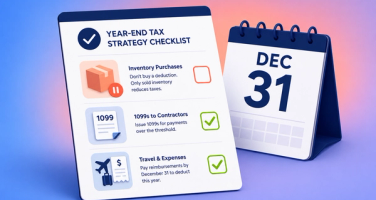
This checklist covers five tax moves to make before December 31st, starting with the most common and costly mistake sellers make with year-end inventory.
Topic hub
Articles, videos, podcasts and webinars on Ecommerce Accounting for ecommerce brands.
This checklist covers five tax moves to make before December 31st, starting with the most common and costly mistake sellers make with year-end inventory.
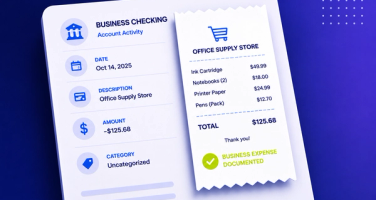
Keeping receipts feels tedious, but it protects your business. This covers four key reasons they matter, from tax justification to audit readiness, plus tools.
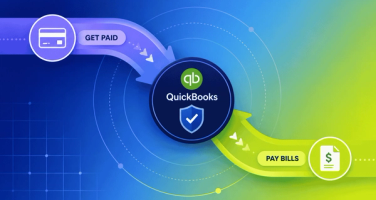
QuickBooks Payments and Bill Pay cover both sides of cash flow. LedgerGurus' CEO breaks down what each does, the benefits of using them together, and setup.

LedgerGurus' CEO on why Intuit Enterprise Suite fills the gap between QuickBooks and full ERPs, and offers a gentler upgrade path than jumping too early.

Expensify handles reporting, approval, and reimbursement in one place. This review breaks down why it works for employees, employers, and accountants alike.
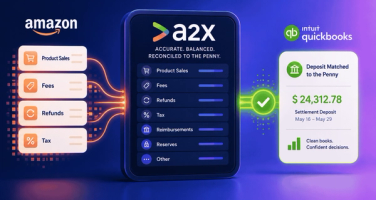
The wrong Amazon-to-QuickBooks integration means fighting your books monthly. This breaks down what separates these tools and makes the case for A2X.

Multi-channel sales, COGS accounting, and sales tax compliance are three different specialties, and most growing brands cannot hire three people. Brittany Brown lays out what LedgerGurus covers, from capturing multi-channel activity and bill pay through budgeting and cash flow forecasting. Then Beddy's and Thread Wallets describe what changed for them: inventory counts that stopped being a struggle, and numbers reliable enough to build marketing budgets on.

Most ecommerce businesses run a mix of cash and accrual, and they move along that spectrum as they mature. Stacy Walker maps four stops: watching the bank balance as a startup, moving revenue and then COGS to accrual once timing differences distort your months, spreading prepaid expenses so month to month is comparable, and full GAAP compliance once investors, debt holders, or the $25 million threshold require it. A fictional duck company illustrates each stage.

Returns, fees, advertising, warehousing, and sales tax come out of gross sales inside your channels before anything reaches your bank, so the bank feed alone hides most of your business. Syncing every channel transaction into QuickBooks Online buries you in detail instead. Kelley Birrell explains how A2X sorts channel activity into buckets and delivers one monthly journal entry, why your chart of accounts has to line up with those buckets, and what the LedgerGurus setup service covers.
The service that fixes this
Monthly close, clean books, real reporting
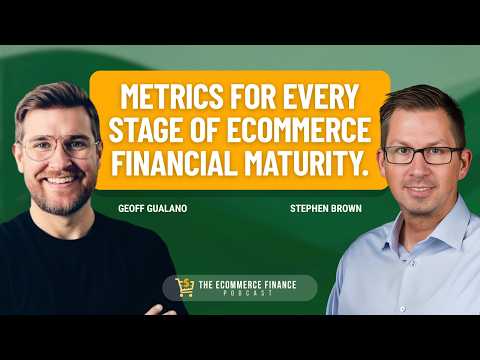
Geoff Gualano returns to walk the accounting maturity model again with Stephen Brown, this time asking what you should actually measure at each level. Tax compliance, then understanding the business, then forecasting, then investor ready financials. They cover why most sellers record revenue wrong from day one, the income ratios worth benchmarking, the cash conversion cycle, and why accurate level two data is what makes level three possible at all.

Most brands treat accounting as a tax chore and stop there. Stephen Brown and Geoff Gualano of A2X map four phases of maturity: accounting as necessary, accounting as visibility into what's actually profitable, accounting as strategic forecasting, and finally accounting clean enough for a lender or a buyer. Between them they cover a business six months from running out of cash, an audit that changed a $30 million seller's mind, and an inventory adjustment that cost millions in valuation.

No slides. Stephen Brown opens the dashboard. LedgerGurus gives its monthly accounting clients and walks the six metrics on it, using data from the brand he co-owns. What each benchmark is, where it came from, and what a spike actually means: an inventory adjustment, a tariff, a Black Friday that crossed into December. Then payroll, interest, contribution margin, and the cash conversion cycle.

Part three of the financial statements workshop series. Stephen Brown opens the real books of Solé Toscana, the brand he co-owns, and walks line by line through its balance sheet: the holding accounts, the goodwill from the acquisition, the partner loans distorting his ratios. Then the quick ratio, debt to assets, and the cash conversion cycle, before showing how the cash flow statement explains the gap between profit and cash.

Your P&L already says where your business is stuck; most owners just can't read it yet. In part two of the workshop series, Stephen Brown opens Sole Toscana's live QuickBooks Online file and walks the statement top to bottom, then turns every line into a percentage of income: gross margin, contribution margin, fulfillment at 14.5%, advertising at 36%. He shows the Grow dashboards LedgerGurus is rolling out to clients and the year-over-year view that took the brand from a loss to positive income.
Spot five ecommerce bookkeeping red flags on your balance sheet and P&L, with yes-or-no checks for inventory, sales tax, revenue, and COGS.
Seven practical ways to streamline accounts payable: centralize and digitize bills, separate duties to prevent fraud, pay electronically, and time payments.
Three import-ready QuickBooks Online chart of accounts templates for ecommerce, from a simple starter list to a detailed, numbered multichannel chart.
A phased checklist of weekly, monthly, quarterly, and annual bookkeeping tasks for ecommerce sellers and their bookkeepers in the US and Canada.


Books cleaned up and structured to withstand outside scrutiny from investment partners.
“Our books look so much better, so much cleaner. Our outside company that looks at our books for investment purposes said, ‘Whoa, something’s happening here.”: Ozonics
Yes, full accrual (GAAP) accounting becomes legally required once a business crosses $25 million in sales over a three-year period, or if it goes public. Investors or lenders may also require it earlier as a condition of funding, even below that threshold.
Read: When accrual accounting becomes requiredPull initial order reports from your sales channel to see gross and net sales, then compare that against your payment processor's settlement report, which shows what actually settled after refunds, fees, and chargebacks. That settled amount is what should match your bank deposit; gaps between the two are exactly what reconciliation is meant to catch.
Read: Check whether your processor is shortchanging youLenders advance cash against future sales and charge a flat fee instead of interest, which makes the true cost easy to underestimate. A 10% flat fee paid back over four months actually works out to roughly a 42% APR.
Read: The true cost of revenue-based financingWe use cookies to improve your experience and to measure how our site and ads perform.Read our Cookie Policy