

I need better planning
You’re making big decisions about inventory, hiring, and financing based on your bank balance and your gut. Your books tell you what already happened, but nobody has built a cash flow forecast for what happens next. In ecommerce, cash goes out for inventory months before it comes back as sales, so guessing gets expensive.
Does this sound familiar?
There’s money in the account today. You just don’t know what’s left after next quarter’s inventory order and ad spend.
Buy too much and your cash sits in a warehouse. Buy too little and you run out of stock in the months that matter most.
A new salary is a commitment every month after the offer letter, and nobody has run it against your cash flow.
Revenue-based financing is easy to get and hard to compare. Without a model, you can’t see what the repayments will do to the next six months.
Nobody has touched it since, so it doesn’t help with any decision you’re making now.

Why this happens
Accounting looks backward. Your P&L tells you what happened last month, and you need that, but it can’t tell you whether you’ll have enough cash 3 months from now. A forecast takes the same numbers and asks what happens next.
Ecommerce makes that harder than most businesses. You pay for inventory months before you sell it, usually right before your busiest season, and marketplaces hold your money until each payout. A brand can be profitable on paper and still run short on cash right when it needs to place a Q4 order.
Most founders don’t have a CFO, so planning happens late at night in a spreadsheet, if it happens at all. Even a good forecast is only as reliable as the books underneath it. If your numbers are off, we recommend fixing those first, because a forecast built on bad books just gives you a confident wrong answer.
How we fix it
CFO Advisory
We start with a discovery call and a review of your current financials to find the blind spots and the questions your business needs answered. Then we build a cash flow model and a growth scenario from your actual numbers, not a generic template. From there, you choose the pace. Hourly advisory at $250 an hour covers a single decision, like a financing offer or a big hire. A monthly or weekly retainer keeps your cash flow model current and gives you a direct line to your advisor.
Have a big financial decision coming up?
- 1 hour · $250
Hourly CFO Advisory
We go through your financial trends with you and explain which metrics matter most for your business. Then we build income projections and a few scenarios around the decision you’re facing, so you can see what each option does before you commit.
Schedule your CFO consultation (opens in a new tab)
Where to go next
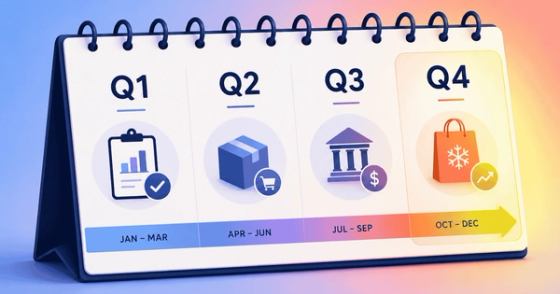 ArticleHow to Prepare for Q4 Sales for Ecommerce Financial SuccessGetting Q4 right is a year-round job. This covers forecasting sales, inventory planning, cash flow, order timing, pricing, and the overlooked Q5 stretch.
 ToolEcommerce Budgeting TemplateA free Excel budget for ecommerce that rolls sales by channel, COGS, expenses, and payroll into a monthly P&L with budget vs. actual tracking.
 ToolInventory Forecasting TemplateA free Excel template to forecast SKU-level inventory from last year's sales, flag stockouts before they happen, and plan the cash for each order.
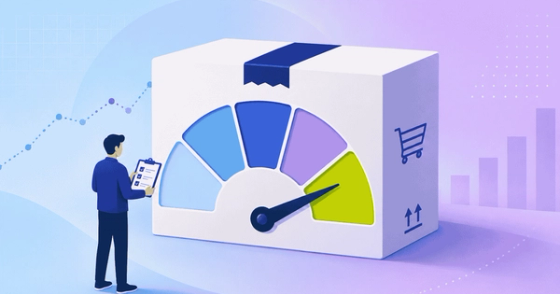 ArticleThe 5-Part Financial Health Check Every Ecommerce Business NeedsProfitability, not growth, keeps a business alive through a downturn. This covers a five-part financial health check to see where you stand and what's next.
Why do profitable ecommerce businesses still run out of cash?
It comes down to long cash conversion cycles: you're buying inventory months before you sell it, so every dollar tied up in product is a dollar you can't use elsewhere. A business can be profitable on paper while cash stays locked up in unsold inventory the whole time.
Read: What's really holding your cash flow backHow do a sales forecast, inventory plan, and cash flow forecast connect to each other?
Your sales forecast and inventory plan are key inputs for building your cash flow forecast. Add expected fulfillment costs, merchant fees, advertising, and other operating expenses to see when you may have cash gaps. From there, you can build a working capital strategy to make sure you have enough cash when you need it.
Read: How your Q4 plans build on each otherWhat's the difference between a cash flow projection and a cash flow statement?
A cash flow statement is a historical report, built from your profit & loss statement and balance sheet, showing how cash actually moved during a past period. A cash flow projection (or forecast) is forward-looking, predicting how cash will move based on your sales forecast, inventory plan, and budget, so you can catch a shortfall before it happens rather than explain one after the fact.
Read: What your cash flow statement tells you