
Article
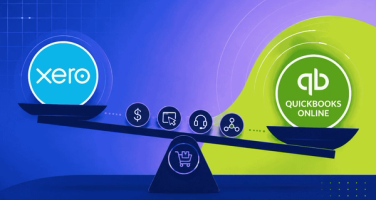
Xero vs QuickBooks Online for Ecommerce Sellers
Xero vs. QuickBooks Online: the two cloud accounting platforms worth comparing once you've outgrown spreadsheets. This compares pricing, UX, support, and more.
Topic hub
Articles, videos, podcasts and webinars on General Business for ecommerce brands.
Xero vs. QuickBooks Online: the two cloud accounting platforms worth comparing once you've outgrown spreadsheets. This compares pricing, UX, support, and more.
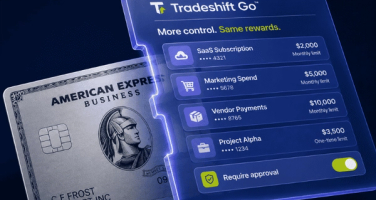
Tradeshift Go adds virtual cards, approvals, and reporting on top of Amex business cards, no rewards traded away. This review covers use cases and dashboard.

Most podcasts either skip ecommerce or only skim finance. LedgerGurus' COO compiled a curated, alphabetical list of standout shows that cover both well.

LedgerGurus' 2025 roundup of top ecommerce content: top 3 podcast episodes, top 3 YouTube videos, and top 3 blog posts, from tariffs to sales tax to budgeting.
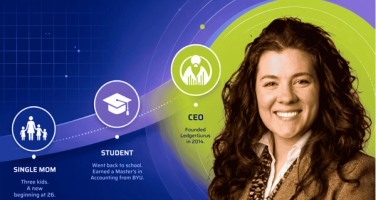
How Brittany Brown, divorced at 26 with three kids and an Associate's Degree, went back to school, earned a Master's from BYU, and founded LedgerGurus in 2014.

LedgerGurus' CEO on building a remote firm, starting from her own experience as a single mom. This covers benefits for employees, employers, and clients.

Every Amazon settlement bundles sales, fees, refunds, reimbursements, reserves, and tax into one deposit, and a single settlement can span two months. Brittany Brown shares the three tests LedgerGurus uses to judge any Amazon to QuickBooks integration: it reconciles to the penny, splits settlements at month-end, and gets fixed fast when Amazon adds fees. A2X passes all three and runs behind nearly every Amazon client the firm manages. She also covers when Synder, Webgility, or the free QuickBooks connector makes more sense, and why building your own with AI turns you into an unpaid integration developer.

Banks do not want to lend to ecommerce brands, because inventory is not collateral they can liquidate, so sellers end up on expensive Amazon, Shopify, and PayPal loans. Stephen Brown applied for the AMEX business line of credit with two of his own businesses and had approval in about 20 minutes. Terms run 6 to 24 months, up to roughly $250,000, with no origination, annual, or prepayment fees.

Expensify handles the whole loop: employee submits, manager approves, money moves back. Smart Scanning pulls vendor, date, and amount off a photo and matches it to the imported card transaction, so nobody keys anything. Stephen Brown runs through ten reasons it works, including the QuickBooks Online sync that ends double entry, and the Expensify card that pays 1% back and prompts for receipts at the moment of purchase.
The service that fixes this
Monthly close, clean books, real reporting

A $60,000 invoice arrived with the right company name, the right address, the right EIN. Only the pay-to name and email had changed. Rachel Wright caught it. Ecommerce makes this worse than most, because the biggest payments go overseas for inventory and there is no recourse once a wire clears. She and Stephen Brown walk through the attempts they have seen and the controls that stop them.

Parker was weeks from a $90 million acquisition when it filed for Chapter 7, leaving customers like Stephen Brown unable to work out what they owed or to whom. He and Stacy Walker use that failure to frame four risks worth checking before you route money through any fintech: vendor, financial, operational, and strategic. They also cover why most fintechs sit on top of the same handful of partner banks, and why that concentration is worth worrying about.

A non-developer can spin up a working internal tool in an afternoon, which has operators asking why they pay for software that does 80% of what they need. Stephen Brown spent twenty years in enterprise software, and he walks Stacy Walker through what that question misses: ongoing maintenance, the builder who might leave, security and compliance exposure, and the real cost once tokens are counted. He closes with a decision framework and argues the better question is what you buy next.


LedgerGurus handles bookkeeping, payroll, inventory, COGS, and sales tax, with monthly financials that support pricing, margin, and profitability decisions.
“The number one thing for me is their response time.”: Baby Bling


LedgerGurus took over accounting, inventory and COGS, and sales tax, reconciled by sales channel and payment processor, and brought in tools that automate tasks that used to be manual.
“I trust everything they’re doing.”: Rags
Yes. Non-exempt employees must be paid at least 1.5x their regular rate for any hours worked over 40 in a workweek. The employer can define which days the workweek covers, but once set, it has to stay consistent.
Read: Overtime rules for non-exempt employeesMost online businesses need one if they operate as a corporation or partnership, have employees, or meet other IRS criteria, and it's often worth getting even when not strictly required, since it separates personal and business finances and satisfies some vendor requirements. The fastest path is applying online through the IRS, which issues the EIN immediately, after confirming eligibility and gathering your legal business name, structure, address, and the responsible party's SSN or ITIN.
Read: Step-by-step guide to getting an EINThree qualifications all have to be met: the employee earns a salary, is paid at least $684/week ($35,568/year), and passes a job duties test tied to one of seven DOL categories (Executive, Administrative, Learned Professional, Creative Professional, Computer-Related, Outside Sales, or Highly Compensated Employee). A job title alone never determines exempt status.
Read: The tests that decide exempt statusWe use cookies to improve your experience and to measure how our site and ads perform.Read our Cookie Policy